
Sensor/device for traceability and parameter measurement in tuna
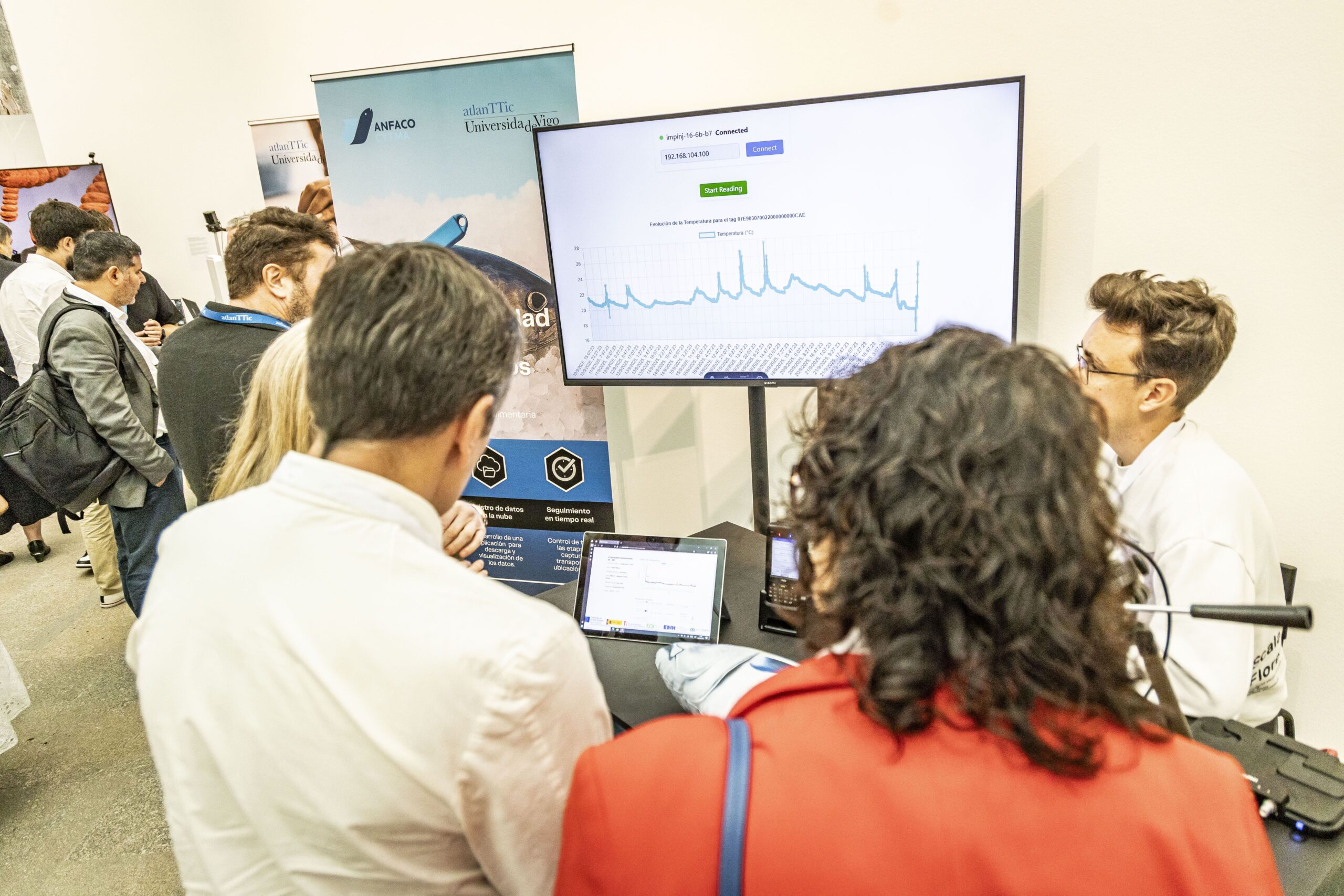
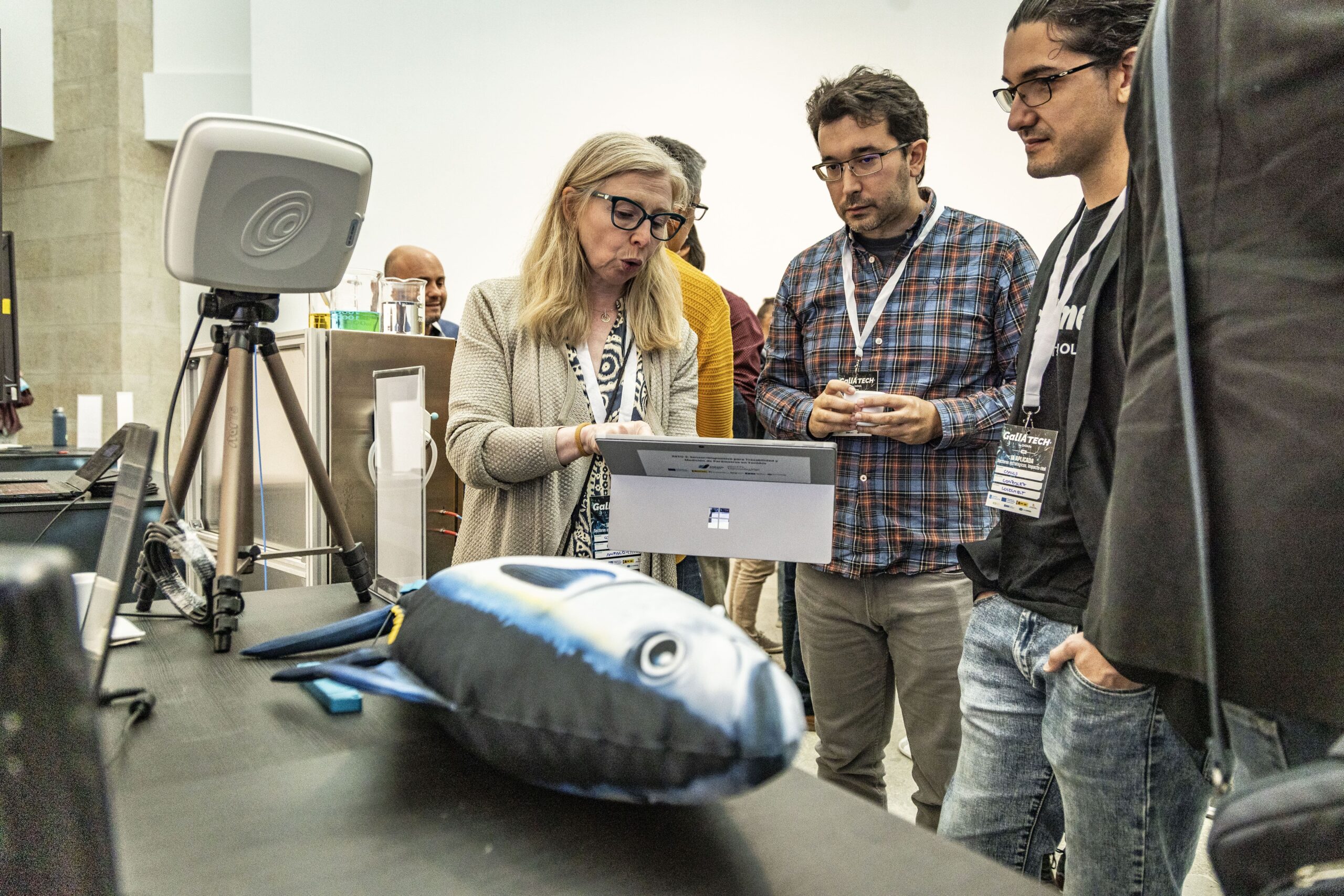
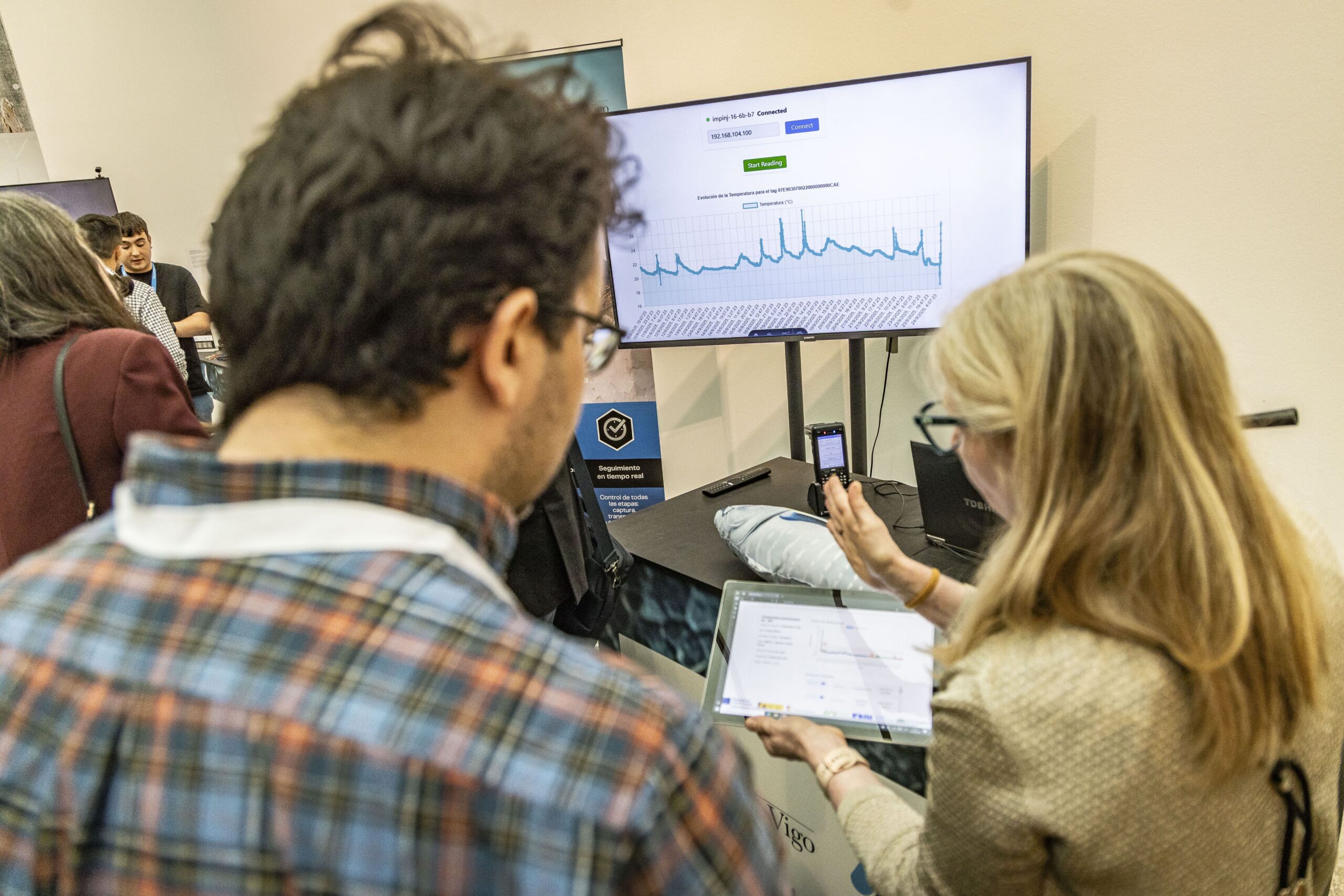
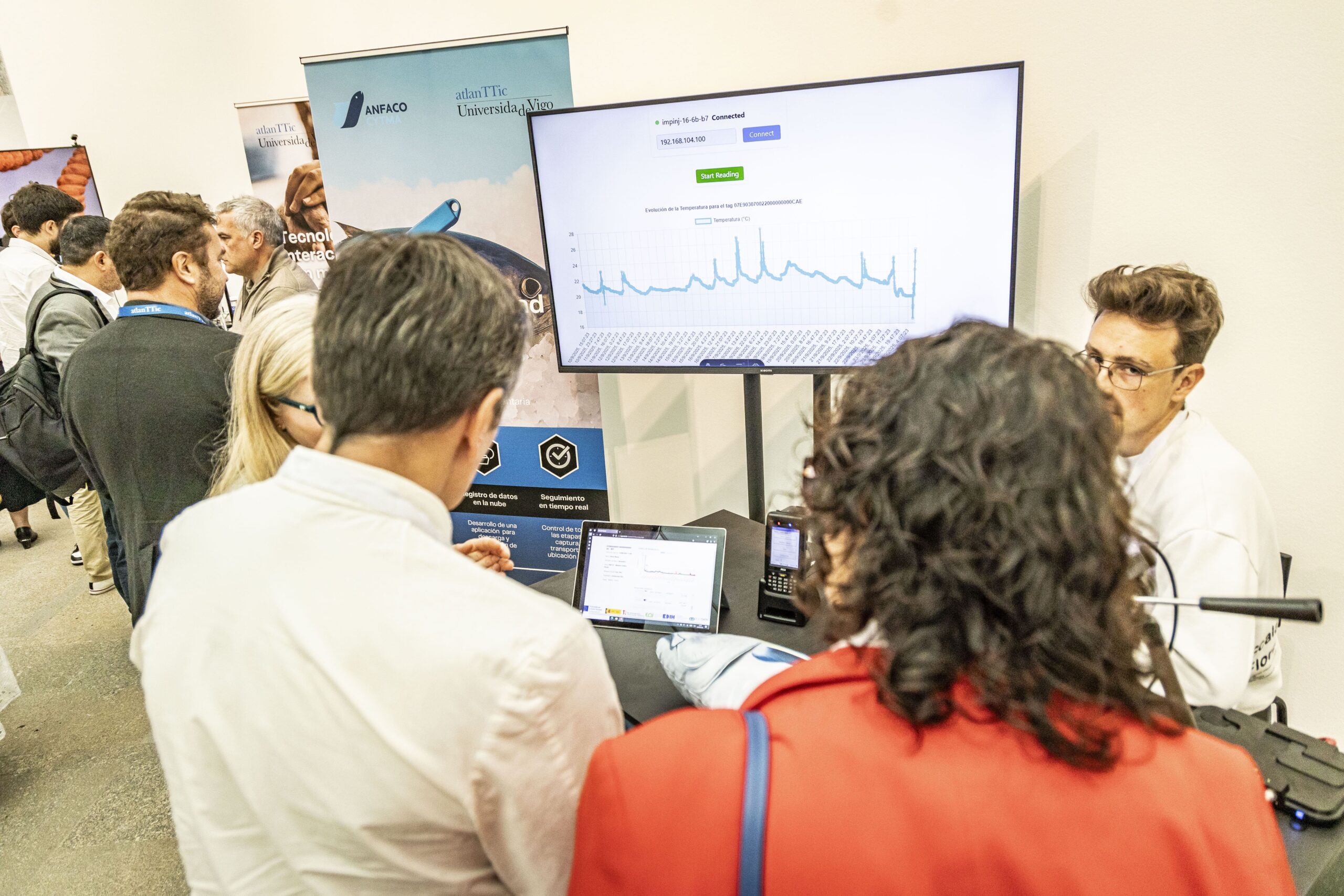
Collaborative technological demonstrator with ANFACO-CYTMA, within the framework of the EDIH DATAlife project, which has developed a sensor/device to be implanted in tuna at the moment of capture, intended for traceability and the measurement of quality parameters of each specimen. The device remains in the specimen from the moment of capture until its arrival at the processing plant. Through an application, it is possible to download and visualise the data recorded throughout all stages of the process, from capture, transport, and up to the final location of the product.
The development of this device is based on the importance of carrying out rapid cooling of fish immediately after death, as well as maintaining the cold chain, even during successive unloading operations of the product, with the aim of minimising risks to human health associated with poor cold chain management, such as histamine formation.
Responsible researcher: Ana Vázquez Alejos.

Virtual colonoscopy simulator
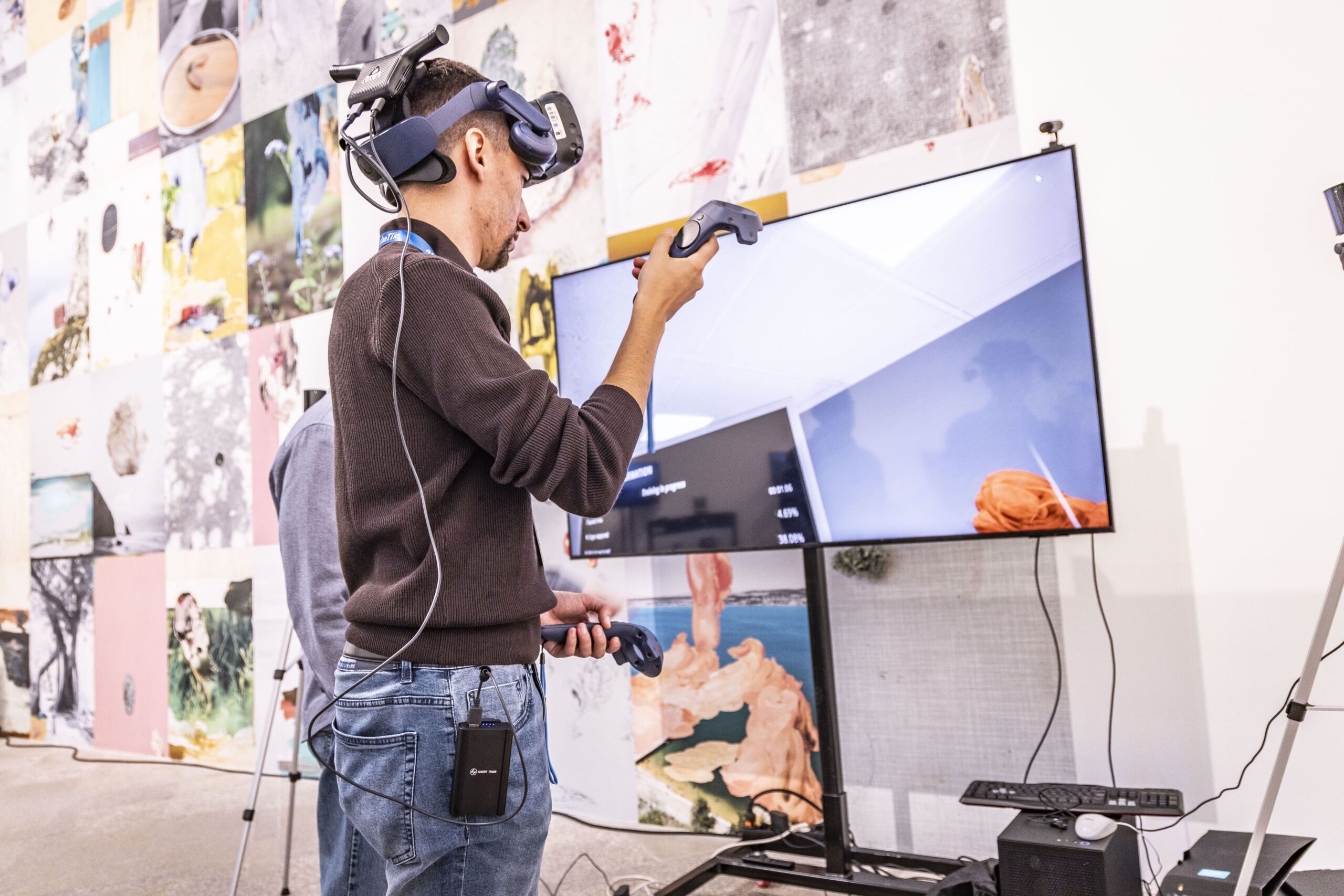
LoGiViT (Low-Cost Gastrointestinal Virtual Trainer) is an immersive virtual reality colonoscopy simulator designed to train digestive medicine professionals in a safe learning environment. The platform enables users to practice colonoscopy procedures using a sensor-equipped real endoscope while exploring synthetic 3D anatomical models and pathological scenarios. It also includes automated performance assessment and AI-based feedback to support skill development.
Thanks to the EDIH DATAlife project, the demonstrator was enhanced through the optimization of its 3D meshes and textures, resulting in a more realistic representation of the intestinal tract and reducing errors related to anatomical deformations. In addition, the simulator’s catalogue of polyps and lesions was expanded, enabling a wider variety of training scenarios and improving the diagnostic learning experience. LoGiViT is currently in an advanced stage of development, prior to formal clinical validation.
Responsible researcher: Manuel Caeiro Rodríguez.

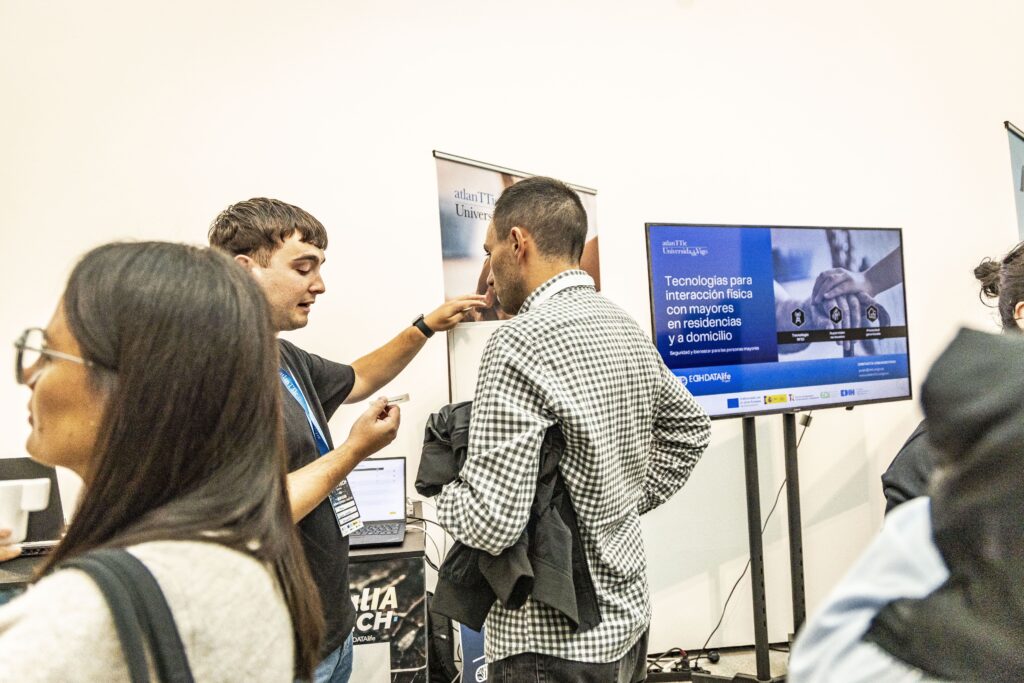
Technologies for physical interaction with older adults in residential and home environments
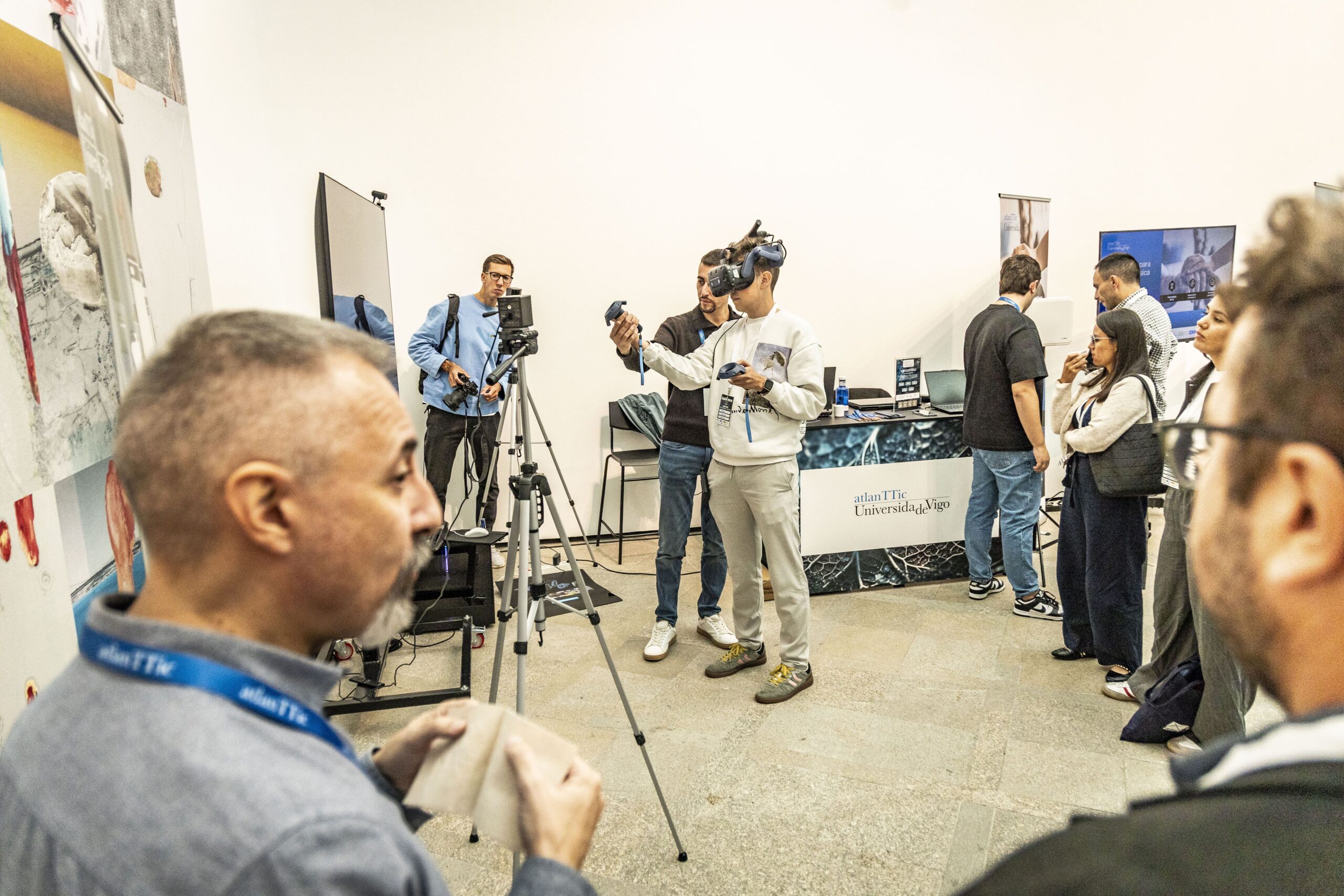
This demonstrator, developed within the EDIH DATALIFE project in response to technological needs identified in the healthcare and care sector, explores the use of RFID technology for the non-invasive monitoring of older adults. The solution detects presence, rest, and movement using passive RFID sensors integrated into clothing, eliminating the need for batteries or wearable devices. In addition, because it does not rely on cameras, it preserves users’ privacy. The testbed evaluates RFID-based Human Activity Recognition (HAR) techniques, with the aim of advancing intelligent monitoring solutions for both residential care facilities and home care environments.
Responsible researcher: Francisco Javier González Castaño.